


- Routine health maintenance exams for women of all ages
- Management of abnormal uterine bleeding
- Management of endometriosis
- Medical and surgical management of fibroids
- STI testing, counseling, and treatment
- Family planning and contraception
- Management of abnormal Pap smears
- PMS and menstrual disorders
- Management of prolapse and incontinence
- Menopause
- Hormone replacement therapy
- Preconception counseling and testing
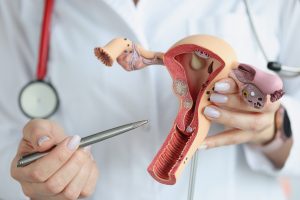
When Should a Woman See a Gynecologist?
It is recommended that women begin visiting a gynecologist during their teenage years if they experience problems such as irregular periods, pelvic pain, or if they need contraception counseling or sexually transmitted infection (STI) screening. Routine Pap smears and cervical cancer screening begin at age 21.
Women should also schedule a visit with a gynecologist for:
- Birth control counseling and prescriptions
- Menstrual cycle concerns (heavy, painful, or irregular periods)
- Pelvic or vaginal discomfort
- STI testing and treatment
- Preparing for pregnancy
- Menopause management and hormone therapy discussions
- Evaluation of abnormal bleeding or spotting
- Management of pelvic pain, ovarian cysts, or uterine fibroids
- Breast health concerns, including lumps, pain, or nipple discharge
- Urinary issues, including frequent infections or incontinence
- Sexual health concerns, including pain during intercourse
- Preventive health counseling (lifestyle, bone health, heart health)
Regular gynecologic care supports early detection, preventive health, and overall wellness at every stage of life.
What to Expect During a Gynecological Exam
A gynecological exam is an important part of maintaining a woman’s overall health. Knowing what to expect can help ease any anxiety and make the experience more comfortable.
Here’s what typically happens during a visit:
Medical History Review
The visit usually begins with a discussion about your general health, menstrual cycle, sexual activity, contraception use, pregnancy plans, and any symptoms or concerns you may have.
Physical Exam
Your provider may perform a general physical exam, including checking your blood pressure, weight, and other vital signs.
Breast Exam
A breast exam may be performed to check for lumps or other changes that could indicate a need for further evaluation.
Pelvic Exam
During the pelvic exam, the provider will examine the external and internal reproductive organs. This may include:
- External exam: Inspection of the vulva for any abnormalities.
- Speculum exam: A speculum is gently inserted into the vagina to view the cervix. This is when a Pap smear may be done (for women 21 and older).
- Bimanual exam: The provider will feel the uterus and ovaries by placing two fingers inside the vagina while pressing on the abdomen to check for size, shape, and tenderness.
Pap Smear (if indicated)
A Pap smear collects a small sample of cells from the cervix to screen for cervical cancer. This is typically recommended starting at age 21 and repeated at intervals depending on age and health history.
STI Testing (if needed)
If appropriate, swabs or blood tests may be done to screen for sexually transmitted infections.
Questions and Counseling
The provider will answer any questions you have and offer guidance on contraception, sexual health, preventive care, and any other health concerns.
Important to Know:
- Exams are private and your comfort is a priority.
- You can always ask to have a nurse or assistant present during the exam.
- Open communication with your provider helps build trust and ensures you receive the best care.